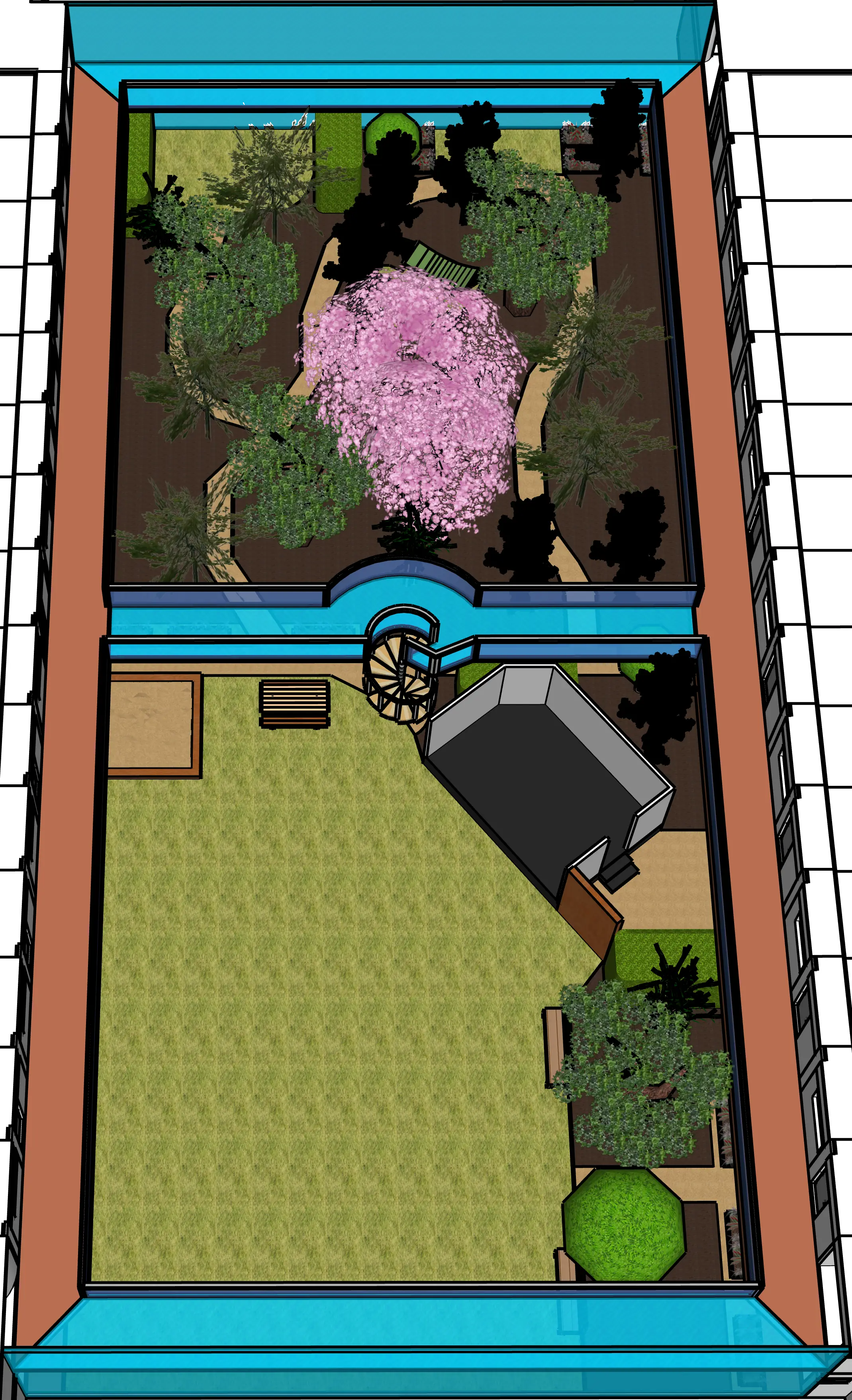
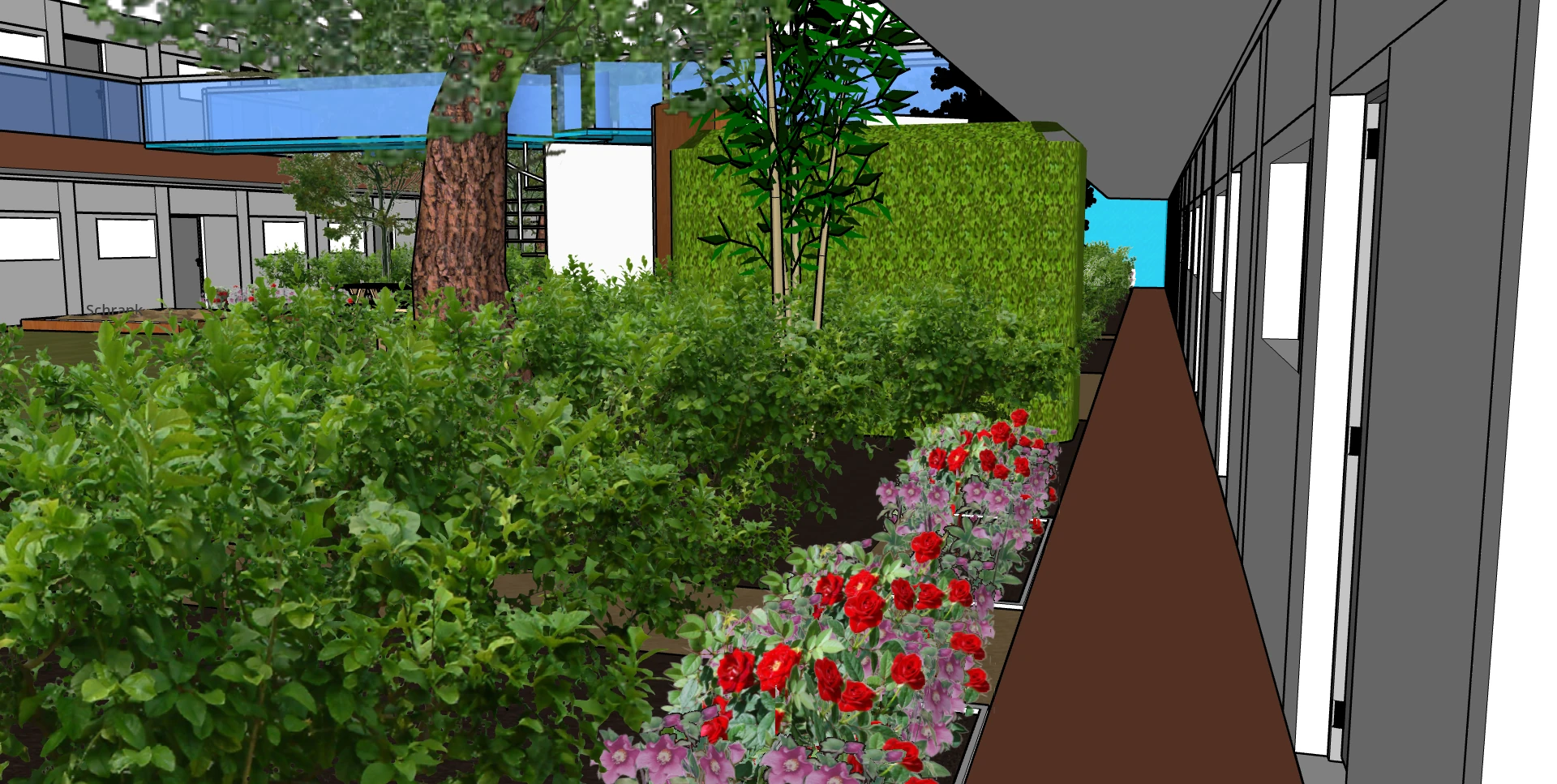
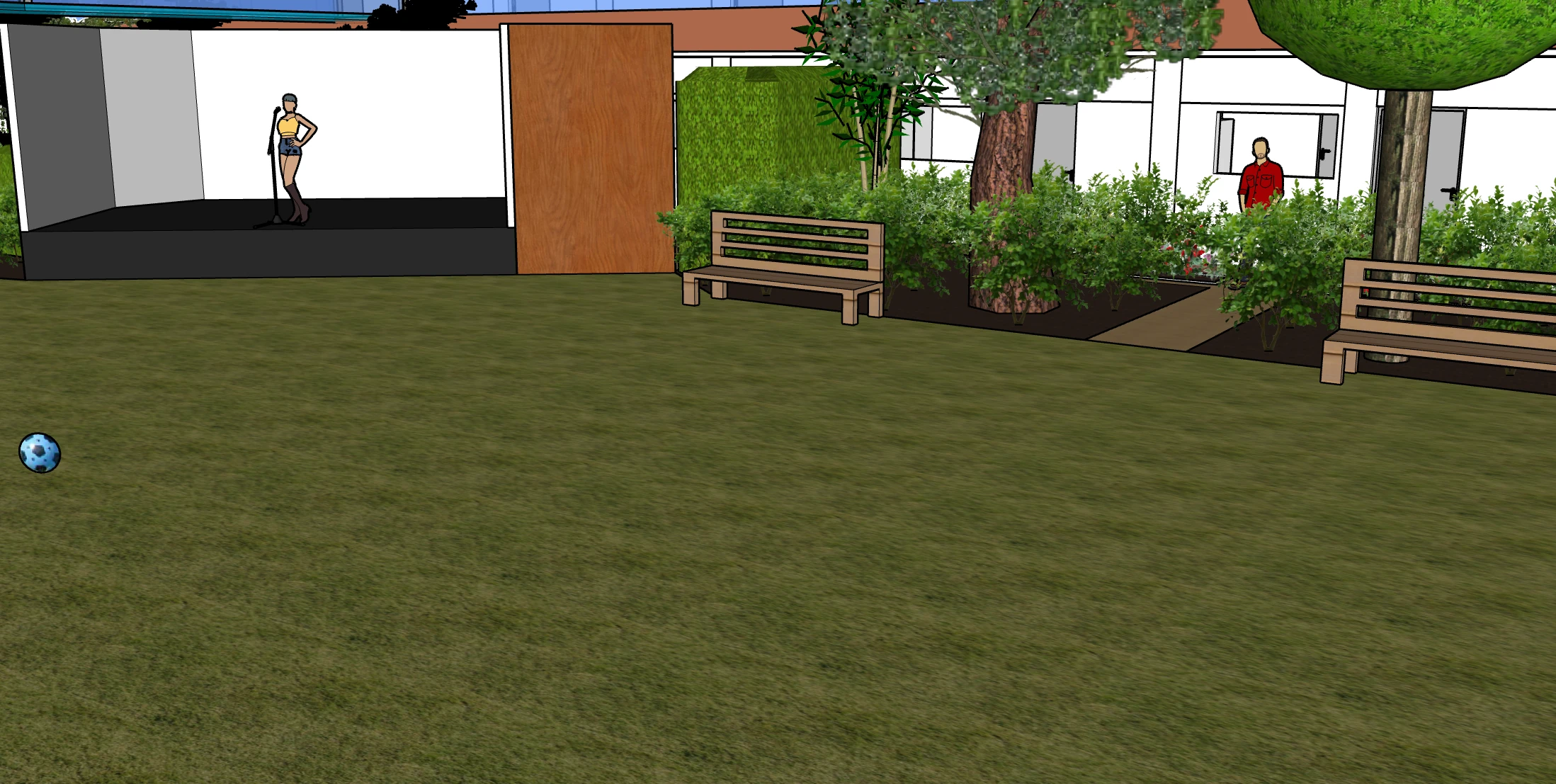
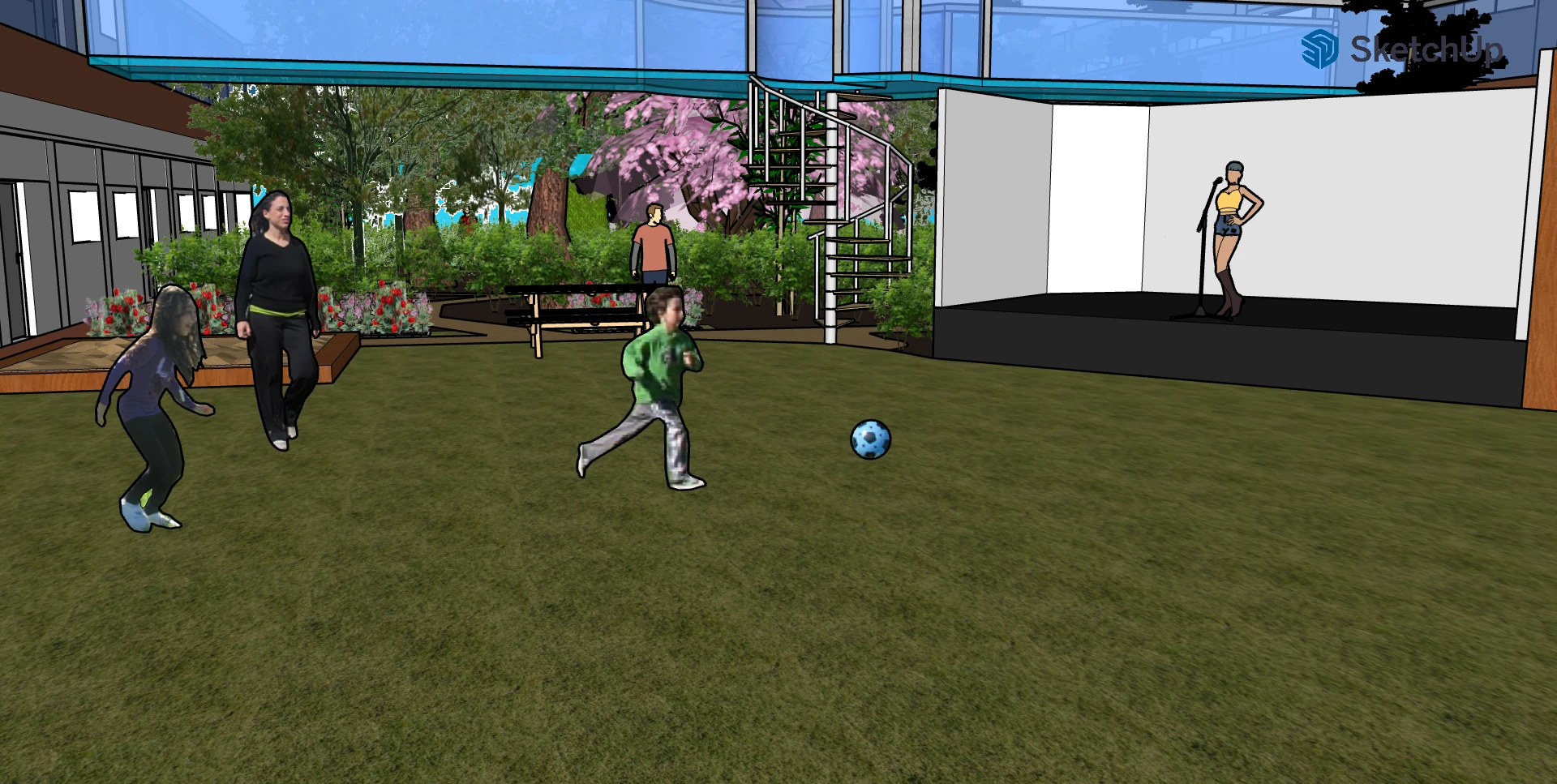
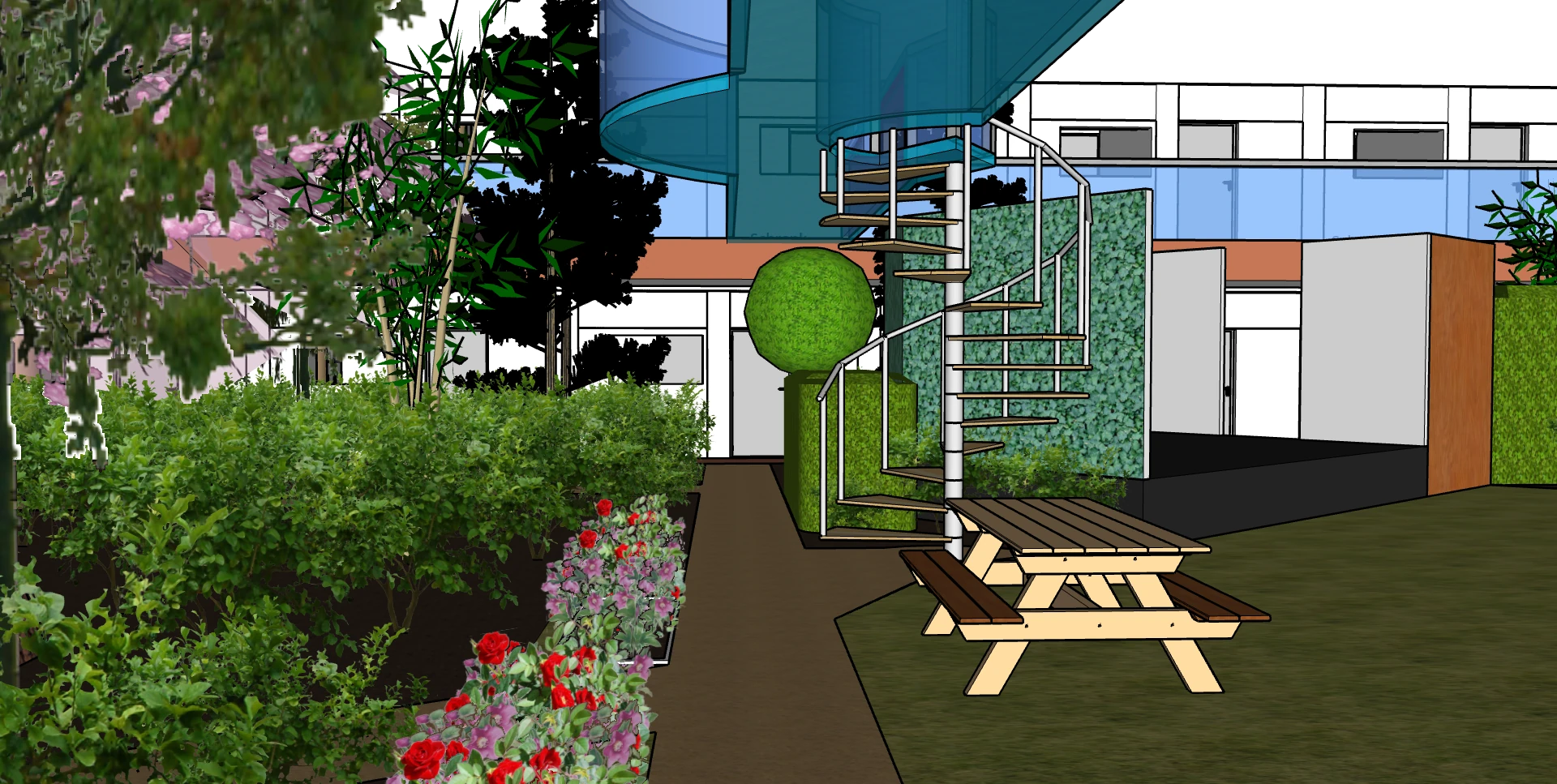
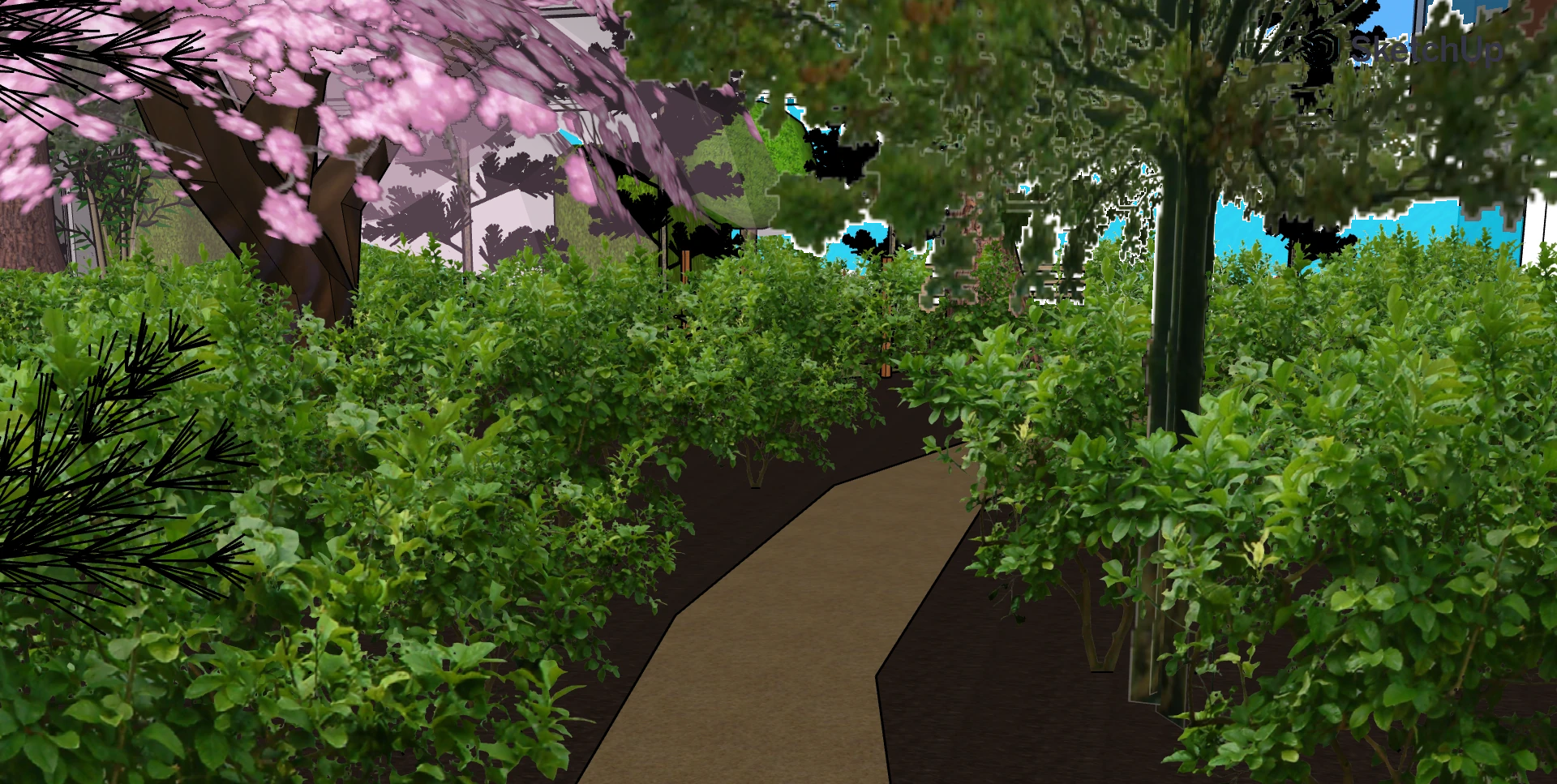
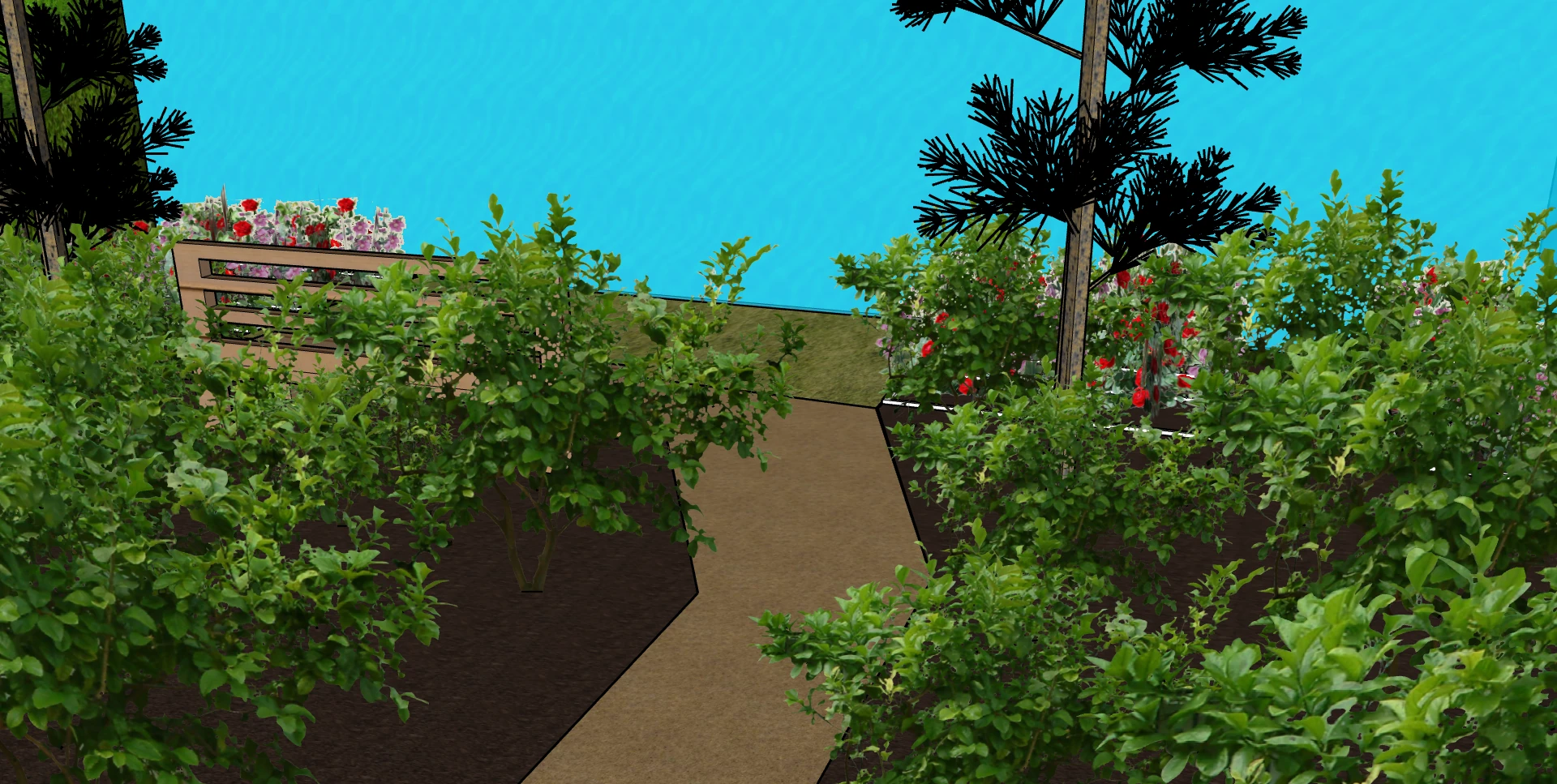
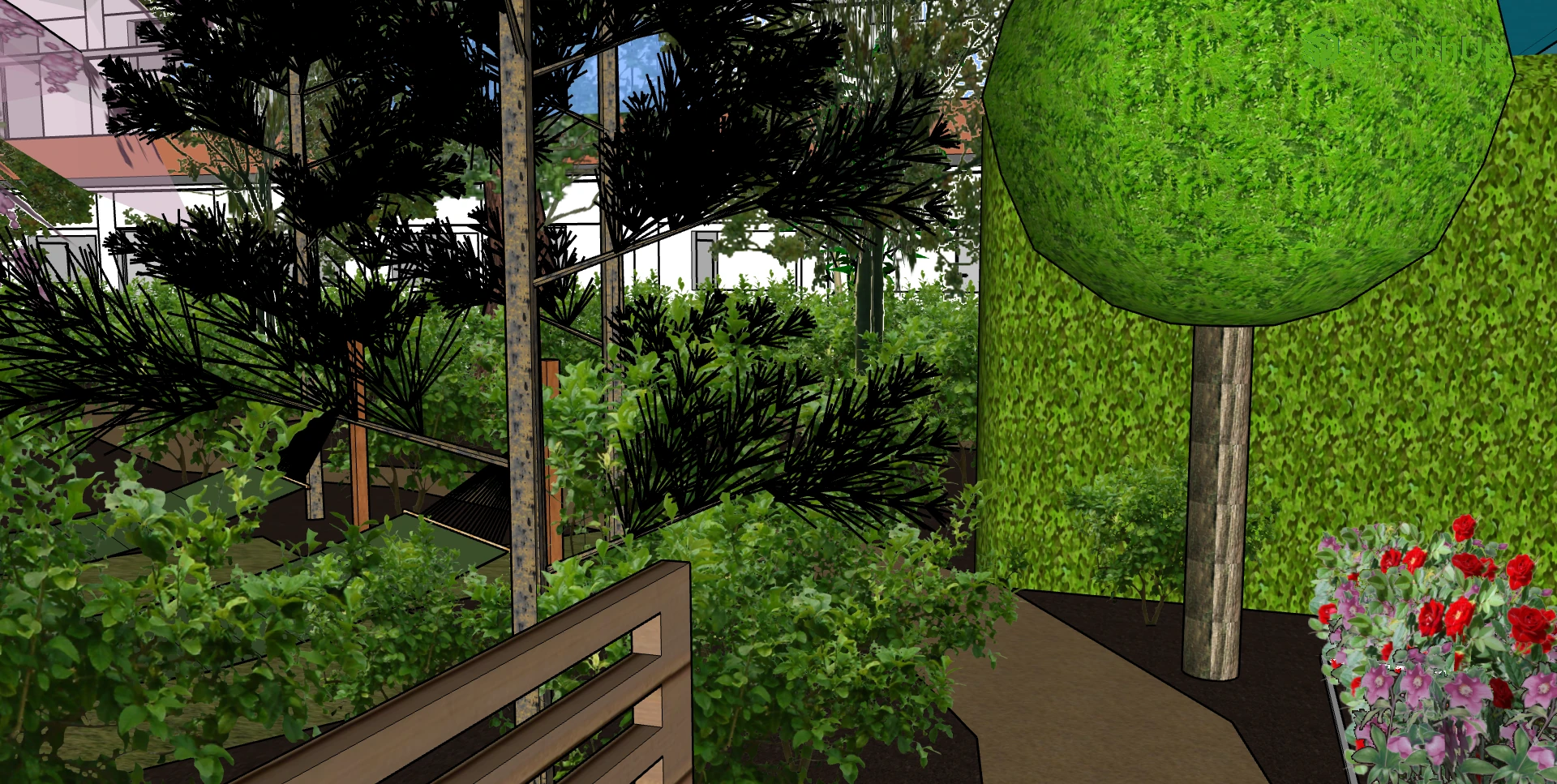
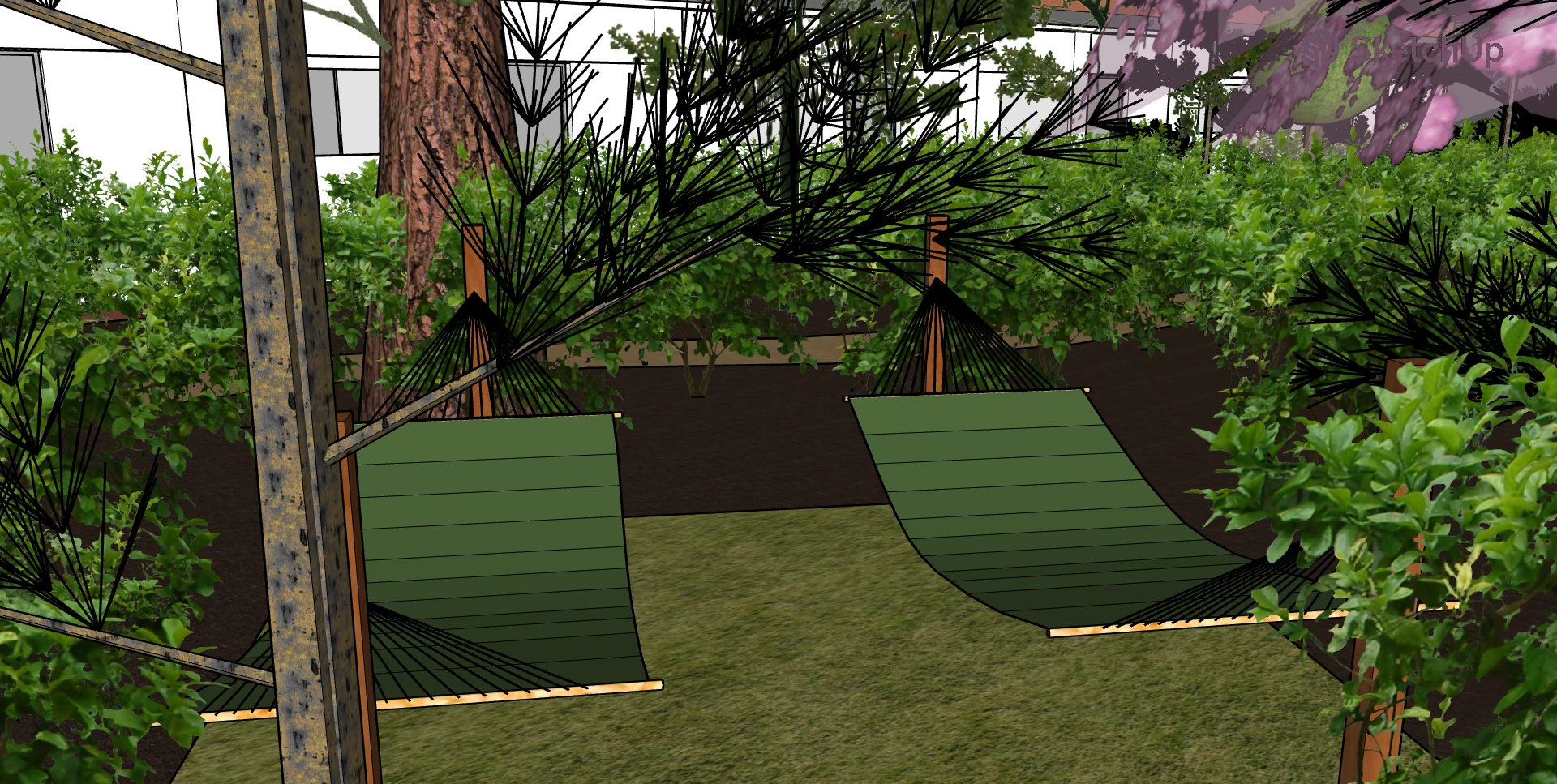
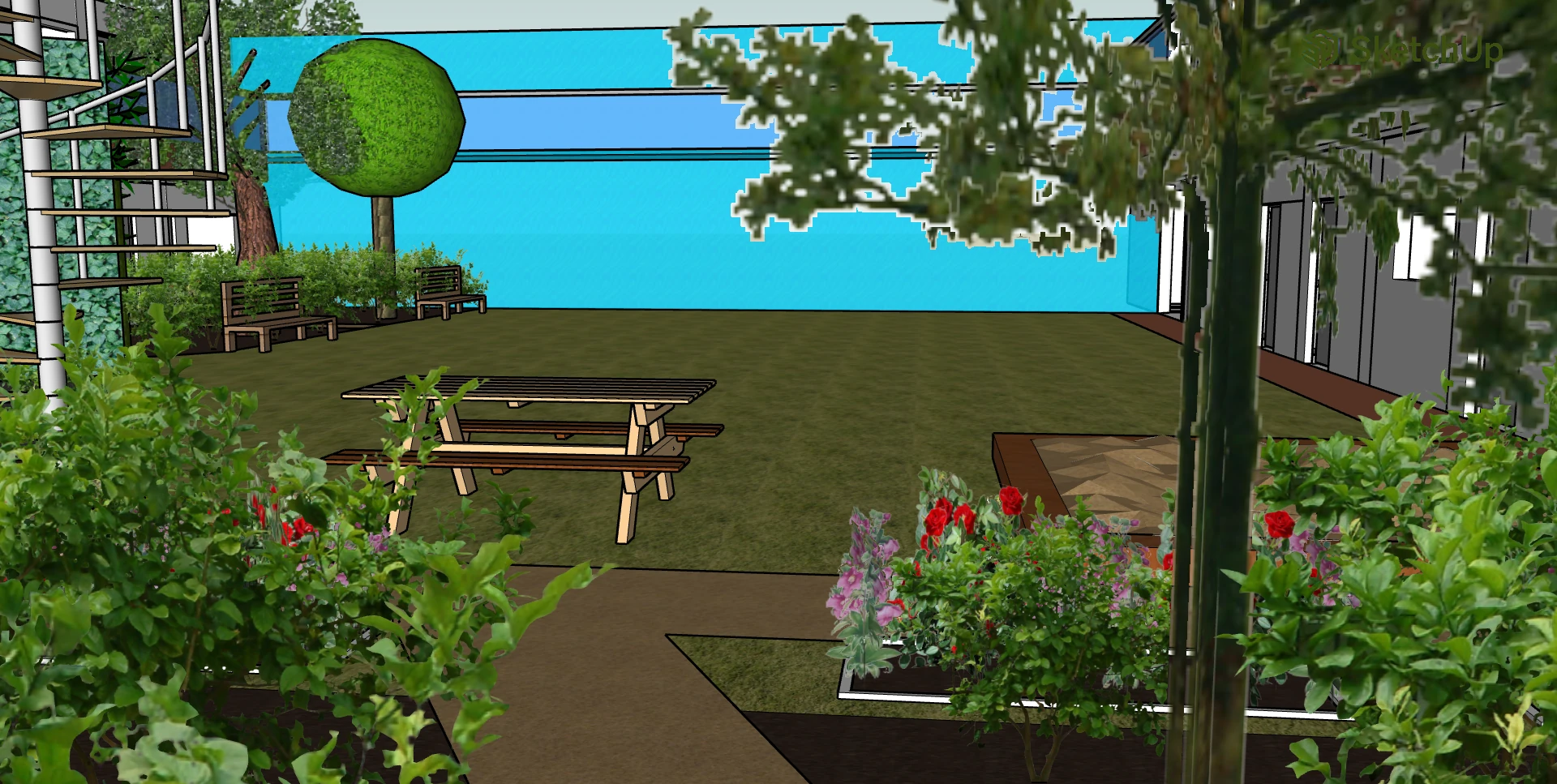
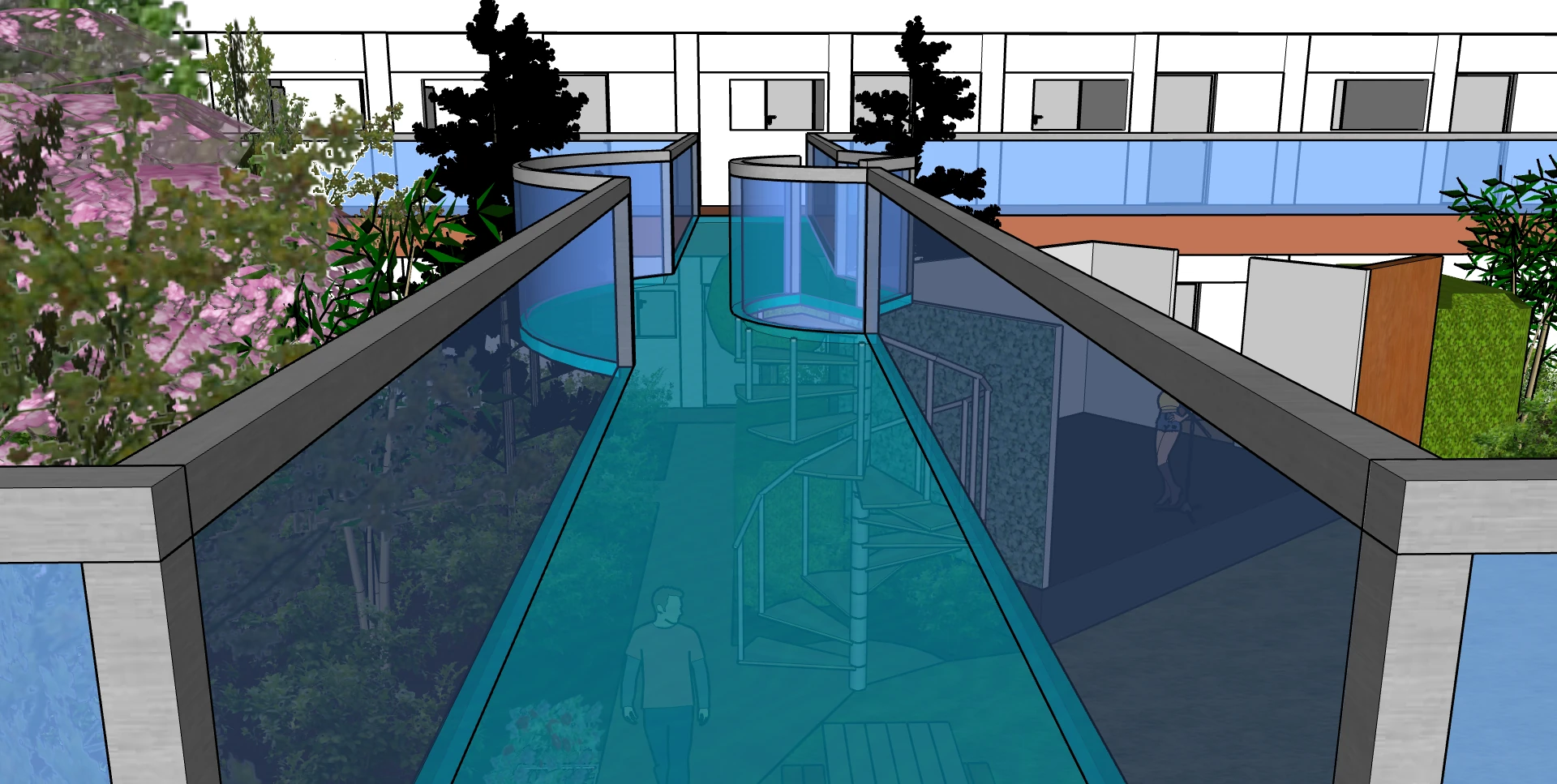
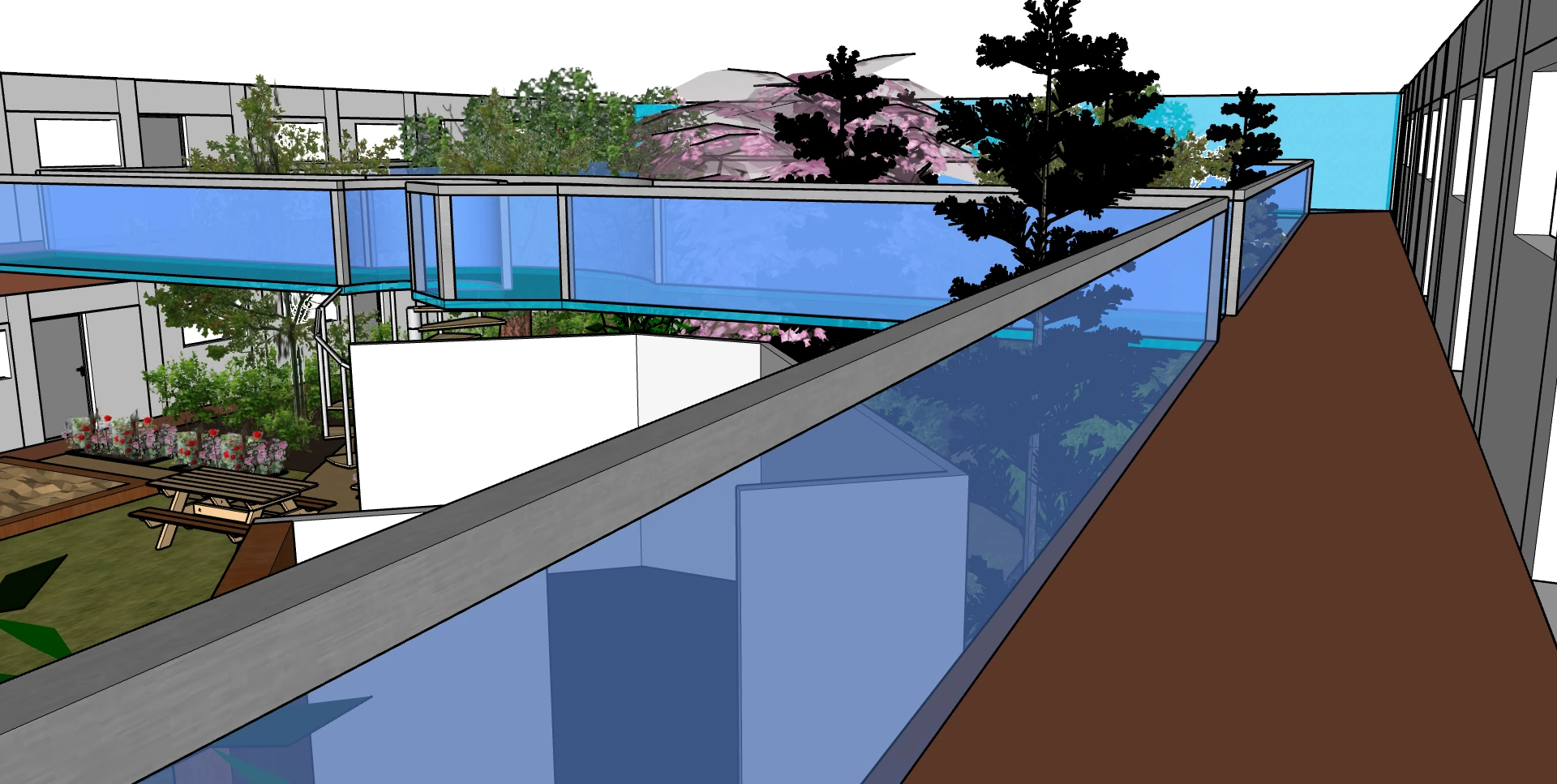
<?xml version="1.0" encoding="utf-8"?><feed xmlns="http://www.w3.org/2005/Atom"><generator uri="https://jekyllrb.com/" version="4.3.4">Jekyll</generator><link href="https://futurities.net/feed.xml" rel="self" type="application/atom+xml"/><link href="https://futurities.net/" rel="alternate" type="text/html"/><updated>2026-04-12T13:29:19+00:00</updated><id>https://futurities.net/feed.xml</id><title type="html">Futurities: Concepts for a Better Society</title><entry><title type="html">DNS changed to futurities.net</title><link href="https://futurities.net/blog/2026/futurities.net/" rel="alternate" type="text/html" title="DNS changed to futurities.net"/><published>2026-04-12T00:00:00+00:00</published><updated>2026-04-12T00:00:00+00:00</updated><id>https://futurities.net/blog/2026/futurities.net</id><content type="html" xml:base="https://futurities.net/blog/2026/futurities.net/"><![CDATA[<p>In conjunction with <a href="/blog/2026/version1_3">publishing version 1.3</a> of the book, I am also moving the url this website can be found at. Mirroring the English book title “Futurities”, the website url is from now on <a href="https://futurities.net">https://futurities.net</a> (instead of futurevisions.world).</p> <p>Aside from matching the book title, I like it both because it is shorter, and because .net is a better known top-level domain (compared to .world). Even though “.net” traditionally just stands for the internet, I think it fits here thematically as well: the book presents a network of interconnected ideas, after all.</p> <p>futurevisions.world will continue to redirect to futurities.net for a while yet, but please update any bookmarks or references to it you might have.</p>]]></content><author><name></name></author><category term="website"/><category term="update"/><summary type="html"><![CDATA[the url of the website changed to futurities.net]]></summary></entry><entry><title type="html">Version 1.3</title><link href="https://futurities.net/blog/2026/version1_3/" rel="alternate" type="text/html" title="Version 1.3"/><published>2026-04-12T00:00:00+00:00</published><updated>2026-04-12T00:00:00+00:00</updated><id>https://futurities.net/blog/2026/version1_3</id><content type="html" xml:base="https://futurities.net/blog/2026/version1_3/"><![CDATA[<p>It was a huge amount of work, but I have finally finished translating the book into English.</p> <p>Aside from the work that went into the translation itself, and changes triggered by it (changes of terms, simplifications of sentence structures, updated references, new glossary entries, and so on), there was also one substantial change compared to version 1.2: The futurity “9.3 Cities” was changed. The size of the city rectangles is now 450m x 320m instead of 350m x 350m, and the underground tunnel intersection was completely remade.</p> <p>What I plan to do next is a complete edit pass of both the English and German versions of the text, to get them as polished as I can in a reasonable amount of time, before turning them into a print edition. So no estimate for a date on that, but it really should be done within the next few months. For now, I am happy enough to have at least this still unpolished English version of the book available. :-)</p>]]></content><author><name></name></author><category term="book"/><category term="update"/><summary type="html"><![CDATA[book version 1.3 published (English+German)]]></summary></entry><entry><title type="html">Version 1.2</title><link href="https://futurities.net/blog/2025/version1_2/" rel="alternate" type="text/html" title="Version 1.2"/><published>2025-07-09T00:00:00+00:00</published><updated>2025-07-09T00:00:00+00:00</updated><id>https://futurities.net/blog/2025/version1_2</id><content type="html" xml:base="https://futurities.net/blog/2025/version1_2/"><![CDATA[<p>I have just published version 1.2 of the book. Since there is no English version of it yet, it makes little sense to talk about the changes. I’ll just say that I put a lot of work into making the book more accessible than it was before, which should make the English translation alot better as well.</p> <p>After the extensive changes in this version, there will certainly be at least one more exclusively German version 1.3 with fine-tuning. But this text version should already be a good basis for the English translation. :-)</p>]]></content><author><name></name></author><category term="book"/><category term="update"/><summary type="html"><![CDATA[book version 1.2 published (German)]]></summary></entry><entry><title type="html">Images Open Space (to 9.2)</title><link href="https://futurities.net/blog/2025/open_space/" rel="alternate" type="text/html" title="Images Open Space (to 9.2)"/><published>2025-06-29T00:00:00+00:00</published><updated>2025-06-29T00:00:00+00:00</updated><id>https://futurities.net/blog/2025/open_space</id><content type="html" xml:base="https://futurities.net/blog/2025/open_space/"><![CDATA[<p>Starting with the upcoming version 1.2 (still only in german), the book will include an image of an example open space that could be set up in a neighborhood in my residential building concept (chapter 9.2):</p> <figure> <picture> <source class="responsive-img-srcset" srcset="/assets/img/open_space/birds_eye.webp" sizes="95vw"/> <img src="/assets/img/open_space/birds_eye.webp" class="img-fluid rounded z-depth-1" width="100%" height="auto" loading="eager" onerror="this.onerror=null; $('.responsive-img-srcset').remove();"/> </picture> </figure> <div class="caption"> Example open space: trees, lawn, stage, sand box, picnic table, 3 park benches (bottom right, top right), circular path, 2 hammocks (top center), viewing points, flower beds (bottom right, center left, top right) </div> <p>I cannot include more than this one image in the book without making what is already the most image-rich chapter of the book too bloated. Instead, a source reference leads to this blog post and thus to the following image gallery, which shows more perspectives of this open space.</p> <p>Only with these pictures does one get a real idea of how much can be achieved with good landscaping in such an open space. How little it feels like a “high-rise” when you step out of your container apartment:</p> <div class="spotlight-group"> <a class="spotlight" href="/assets/img/open_space/lower_path_lengthwise.webp"> <img src="/assets/img/open_space/lower_path_lengthwise_200.webp" title="When you step out of your apartment (lower level)"/></a> <a class="spotlight" href="/assets/img/open_space/lawn_to_flat.webp"> <img src="/assets/img/open_space/lawn_to_flat_200.webp" title="View from the lawn back to the apartment, park benches, and stage"/></a> <a class="spotlight" href="/assets/img/open_space/lawn.webp"> <img src="/assets/img/open_space/lawn_200.webp" title="View from the lawn onto the stage and spiral staircase"/></a> <a class="spotlight" href="/assets/img/open_space/center_path.webp"> <img src="/assets/img/open_space/center_path_200.webp" title="Center path, between flower beds and picnic table"/></a> <a class="spotlight" href="/assets/img/open_space/circular_path_start.webp"> <img src="/assets/img/open_space/circular_path_start_200.webp" title="Start of the circular path"/></a> <a class="spotlight" href="/assets/img/open_space/circular_path_view.webp"> <img src="/assets/img/open_space/circular_path_view_200.webp" title="Circular path, view through the glass front"/></a> <a class="spotlight" href="/assets/img/open_space/circular_path_across.webp"> <img src="/assets/img/open_space/circular_path_across_200.webp" title="Circular path, view across to apartments (hammocks on the left)"/></a> <a class="spotlight" href="/assets/img/open_space/circular_path_hammocks.webp"> <img src="/assets/img/open_space/circular_path_hammocks_200.webp" title="The two hammocks"/></a> <a class="spotlight" href="/assets/img/open_space/circular_path_end.webp"> <img src="/assets/img/open_space/circular_path_end_200.webp" title="End of the circular path"/></a> <a class="spotlight" href="/assets/img/open_space/center_path_gallery.webp"> <img src="/assets/img/open_space/center_path_gallery_200.webp" title="Center path gallery"/></a> <a class="spotlight" href="/assets/img/open_space/upper_path_lengthwise.webp"> <img src="/assets/img/open_space/upper_path_lengthwise_200.webp" title="When you step out of your apartment (upper level)"/></a> </div> <hr/> <p>I have modeled this open space with <a href="https://app.sketchup.com">SketchUp</a>. If you would like to explore this model yourself, you can do so by importing <a href="/assets/skp/open_space.skp">this model file</a> there (SketchUp can be used online free of charge).</p>]]></content><author><name></name></author><category term="book"/><category term="supplemental"/><summary type="html"><![CDATA[Images of the open space of the high-rise concept (chapter 9.2)]]></summary></entry><entry><title type="html">Leserunde bei LovelyBooks</title><link href="https://futurities.net/blog/2025/leserunde/" rel="alternate" type="text/html" title="Leserunde bei LovelyBooks"/><published>2025-03-29T00:00:00+00:00</published><updated>2025-03-29T00:00:00+00:00</updated><id>https://futurities.net/blog/2025/leserunde</id><content type="html" xml:base="https://futurities.net/blog/2025/leserunde/"><![CDATA[<p>Ich habe bei LovelyBooks eine Leserunde für das Buch erstellt (<a href="https://www.lovelybooks.de/autor/Martin-Gerdes/Zukunftsvisionen-Projekt-Entfaltung-17742888422-w/leserunde/18655586421/18655601983/">Link</a>), und ich verlose dabei Buchexemplare. Bewerbungsschluss ist der 11.04.2025, die Leserunde startet dann am 18.04.</p> <p>Auch wer kein Exemplar gewonnen hat, kann natürlich gerne teilnehmen (mit eigenem Buch, oder mit der Onlineversion des Buches)!</p>]]></content><author><name></name></author><category term="book"/><category term="promotion"/><summary type="html"><![CDATA[Leserunde bei LovelyBooks]]></summary></entry><entry><title type="html">United States of Europe</title><link href="https://futurities.net/blog/2025/united-states-of-europe/" rel="alternate" type="text/html" title="United States of Europe"/><published>2025-02-21T00:00:00+00:00</published><updated>2025-02-21T00:00:00+00:00</updated><id>https://futurities.net/blog/2025/united-states-of-europe</id><content type="html" xml:base="https://futurities.net/blog/2025/united-states-of-europe/"><![CDATA[<p><a href="https://www.dw.com/de/trump-hat-die-transatlantischen-beziehungen-zerst%C3%B6rt/a-71696631">The Transatlantic Alliance is dead.</a> And if it can be revived at all, it will be many years before we can rely on the protection of the USA again. If we still want it then at all.</p> <p>Two things have crystallized in the last few days. One is obvious, the other many have not yet recognized.<br/> The obvious one: The USA under Trump is adopting Russia’s rhetoric (Zelenskyy is a dictator, Ukraine started the war, …), thereby opposing Ukraine and Europe, and thus also saying goodbye to common shared values. Their policy is now that of might makes right, of empires, no longer that of a rules-based world order.</p> <h3 id="coup-in-the-usa">Coup in the USA</h3> <p>Less obvious: a coup is currently underway in the USA. There will be no more free elections in four years’ time. Probably not even in two years, for the midterms. This has become increasingly apparent in the 30 days since Trump took office.</p> <p>What has made it clear to <em>me</em> is <a href="https://arstechnica.com/tech-policy/2025/02/trump-declares-sweeping-power-over-independent-agencies-such-as-fcc-and-sec/">this ArsTechnica article</a> (it is very worthwhile to also look at the comments of the largely liberal readership): Trump has ended, by Executive Order, the independence of agencies created by Congress to be independent.<br/> This is certainly not legal, but Trump is implementing the steps so quickly that the courts and the Democratic opposition can’t keep up. The Republicans have managed to consolidate all power: They provide the president, control the Supreme Court, Congress, Senate, and now the independent agencies as well. For example, the <a href="https://en.wikipedia.org/wiki/Federal_Election_Commission">FEC</a>, which is supposed to guarantee free and fair elections. All important positions in the executive branch are being filled with people whose most important characteristic is loyalty to Trump.<br/> Trump and Vance have announced their intention to ignore court rulings they disagree with. And that is precisely the crucial point: in the end, the Constitution is nothing more than a piece of paper. If Trump ignores it and nobody stops him from ignoring it, then it simply no longer applies. No special proclamation, no visible coup is needed for that. After all, the Republicans <em>are</em> already at the levers of power. They are just never going to step away from them again.</p> <p>Trump more or less stumbled into his first term of office. Thus, many other top officials and Republican politicians were beholden to the Constitution instead of being unconditionally loyal to Trump. He also didn’t really have a plan for how he wanted to rebuild the state. Quote from my book: “Even in the US, this danger is clearly present. From 2017 to 2021, this country only escaped the slide into autocracy, or alternatively civil war, because Trump was just stupid/demented instead of actively rebuilding the state.”<br/> This time, Trump has obviously surrounded himself with enough yes-men and prepared himself sufficiently well to actually implement the restructuring of the state he wants.</p> <p>I won’t go into any more detail about why I am convinced that what is currently happening in the US is a coup. In a few months it will be obvious enough that it will become a major news topic in Europe.</p> <p>There are only two possible paths for the US from this point on: Either the coup succeeds and the US consolidates itself as an autocratic state. Or the citizens fight back, liberal states secede and the USA slides into civil war.</p> <p>In neither of these two cases can we expect a return of the US in the foreseeable future as an ally on whose support we can count.</p> <p>Just as with my book, I want this blog post to focus on something else: How do we deal with this? How can we, as countries of Europe, develop a vision for the future from this major challenge of no longer having the USA as an ally? A vision that will ultimately leave us all in a better position than before we recognized this new problem?</p> <h3 id="invasion-of-ukraine">Invasion of Ukraine</h3> <p>The current major problem facing Europe is the invasion of Ukraine by Russia.</p> <p>To be honest, Europe has not really taken it seriously so far. Of course, there was the “Zeitenwende” speech in Germany, more was invested in the Bundeswehr (special funds), Ukraine was supported, sanctions were imposed, dependence on Russian gas was eliminated. These were important and difficult steps!<br/> But the awareness of the problem, both in politics and among the population, was on the one hand moral indignation, and on the other hand concern that the rules-based world order would be threatened if Russia won the war. In response, this meant not only slightly higher arms spending but also significant support for Ukraine. In addition to the costs, concerns about the nuclear threat from Russia limited the strength of this support.</p> <p>In contrast, we had no real concern for our own security so long as Russia did not escalate with nukes. And why should we? The USA stood by our side and an attack on the whole of NATO would be hopeless for Russia. So the European countries could try to keep their additional expenditure as low as possible, with a large part of the support for Ukraine coming from the USA and other non-European countries.<br/> Unfortunately, the goal of the US under Biden was to prevent escalation by giving Ukraine just enough material not to lose the war, but not enough to regain its lost territory and force Russia to the negotiating table. This was not a strategy, it was just delaying the decision. But it was the cheapest solution for the European countries at that moment.</p> <p>Which brings us to the present. The USA is no longer an ally, is ending its support for Ukraine, and its security guarantees for Europe (NATO’s duty of assistance) can no longer be relied upon. It is quite possible that sanctions against Russia will be lifted, and we will be lucky if they don’t start selling weapons to Russia.</p> <p>What happens if Europe accepts this? The price for the morally correct decision is too high and would strengthen the right-wing parties in Europe too much, so we regretfully accept that Ukraine will have to bow to a dictated peace. Without foreseeably stronger support, the morale of the Ukrainian soldiers will not hold, and Ukraine will soon have no choice but to submit.</p> <p>End of the problems, with a morally damaged Europe, but without other consequences?</p> <p>Not by a long shot! If Putin agrees to a ceasefire or peace in Ukraine, it will be with the aim of breaking it again shortly (a few years at most). Or to look for another target (Moldova, for example). After all, the war of aggression was successful, the rules-based world order no longer applies, Russia wants more land and influence and needs wars to maintain internal peace.<br/> One part of the country that Russia wants to incorporate is the Baltic states. If the NATO alliance does not work here - because the USA is too distracted by civil war or China/Taiwan, or is simply not prepared to pay the price of going to war - then NATO is history.<br/> No matter how amorally Europe wants to act, it cannot be prepared to sacrifice the Baltic states to Russia - they are EU members and part of the eurozone! Even if the rest of Europe wanted to give up these countries too - at that point all foreign policy would be at Putin’s mercy, always with the paralyzing fear that Russia could attack if too much obstinacy is shown. Only France and Great Britain could still feel reasonably safe thanks to their own nuclear forces.</p> <p>On the other hand, without US support, Europe will be weaker than Russia a few years after the end of the fighting in Ukraine, if they do not spend more on defense than they currently do. Because Russia spends such a high proportion of its economic power on armaments, and Europe has spent so little for many years (peace dividend). And because Europe consists of many individual countries, each with its own army, its own procurement system, its own weapons systems, … And because in Russia every dollar achieves far more because wages are so much lower (PPP = purchasing power parity)<br/> Quote <a href="https://www.swp.de/panorama/top-10-diese-laender-geben-am-meisten-fuer-ihr-militaer-aus-77852890.html">https://www.swp.de/panorama/top-10-diese-laender-geben-am-meisten-fuer-ihr-militaer-aus-77852890.html</a>: “Russia increased its military spending by 41.9% compared to the previous year, to USD 145.9 billion (RUB 13.1 trillion). In purchasing power parity (PPP) terms, Russia’s military budget of USD 462 billion even exceeded the entire European defense budget. Russia’s spending reached 6.7% of GDP and could rise to 7.5% in 2025.”</p> <p>This future in the shadow of Russia CANNOT be the goal! Not for anyone living in a democracy in Europe so far!</p> <h3 id="the-role-of-europe">The role of Europe</h3> <p>Being strong enough to prevent Russia from attacking a Europe without US backing is one thing. The other is what future we in Europe actually want to achieve for ourselves. In a world that will be determined by great powers as they see fit, do we really just want to keep isolating ourselves? The rules-based levers of the old world order are being lost, and the future lever will be military strength.</p> <p>But for this strength to influence the world, Europe would have to speak with a single voice. The USA has rejected EU participation in peace negotiations with Russia, arguing that it is completely unclear which EU leader should actually be at the table. And they are right! Our influence on crises in the world is so small because it takes far too long for Europe to agree on anything. And this agreement is then only ever a minimum consensus, as all foreign policy decisions have to be unanimous. So the deciding voice is always the one from the country that wants to do the least. If their opinion is contrary enough, for example Hungary in relation to Russia, then often nothing happens at all. This can be currently seen very clearly at the crisis meetings following the Munich Security Conference.</p> <p>Europe <em>has</em> the economic power to produce so much military equipment that Ukraine can push Russia out of its country! Europe, with its 500 million inhabitants, has an economic power on par with that of the USA. It spends very little of it on its military, and ineffectively at that (since each country spends on its own, instead of together).</p> <p>But of course it is still attractive for each individual country to make all <em>other</em> countries pay as much support as possible, so that it has to spend as little as possible itself. To spend within the framework of the EU, on the other hand, everyone would have to agree. A coalition of the willing just to spend money (military aid for Ukraine) is not very attractive, and would largely be concerned with burden-sharing.</p> <h3 id="united-states-of-europe">United States of Europe</h3> <p>How to cut this Gordian knot seems very obvious to me in principle: Let us come together as those countries of Europe willing to integrate more strongly! Germany, France, Poland, the Nordic and Baltic countries. Perhaps Great Britain, if they have now heard the wake-up call that cooperation with their European neighbors is a good idea after all. Any country that is willing to walk this path with us. We simply ignore those countries that don’t want to.</p> <p>The core, the impetus for the development, must of course be a common foreign and security policy. But at least as important: A European Parliament that really has something to say, and <em>no</em> unanimity reqierement in sight! No country should be in a position to block the decisions of the entire group of states or to gain the greatest possible advantage for itself by horse-trading!</p> <p>There has never been a better impetus to tackle the United States of Europe (USE) project than the current foreign policy of the USA<a href="https://www.youtube.com/watch?v=qAiSt0cncm4">¹</a>.</p> <p>If enough countries participate in this project to represent the majority of European economic power, the political guidelines that the USE government and parliament will pursue appear to be extremely obvious:</p> <ul> <li>Establishment of a common arms industry, with standardization of the weapons systems used, factories in their own country, joint development projects.</li> <li>Massive military support for Ukraine so that the USE does not have to stand up to Russia later without Ukraine’s help.</li> <li>Agreement on Ukraine’s future joining of the USE, so that all of Ukraine’s military and economic support belongs to the USE again, including all of its natural resources - instead of selling them off to the Americans for less than they are worth.</li> <li>Establishment of a joint army so that each member no longer has to try to maintain all capabilities itself. A far more efficient use of funding.</li> <li>Economic consolidation within the USE, leveraging the huge efficiency potential that still exists there (despite the EU’s efforts).</li> <li>Better promotion of start-ups and digital companies, which will find a more uniform market. The USE will find it <em>much</em> easier than the EU to adapt and simplify its laws, as such decisions only need to be passed by a common parliament, instead of being passed by the EU Parliament and EU Council, and then transposed into national laws. The world is changing faster and faster. The USE’s faster pace of decision-making would be a huge advantage for its economy as well!</li> <li>A common budget and common debt. So that the USE receives more favorable interest rates without the members squabbling over who is irresponsibly squandering this money on election gifts.</li> </ul> <p>The United States of Europe do not have to be fully established to increase support to Ukraine. This must happen quickly now: Europe’s support must increase significantly within months if we are to wrest the reins from the US and its dictatorial peace proposal.<br/> But once there is a common intention to achieve this goal, if a memorandum has been signed, then it can be agreed that the future members will start to increase their support for Ukraine and their own arms production <em>now</em>, keep a record of this, and in the end (after the USE is founded) it will be offset against a fair burden-sharing, and no one will be at a disadvantage. Just as fiancées might each contribute something to a suddenly necessary expense: As soon as they are married, they have a joint account anyway, and can compensate for any imbalance that has arisen.</p> <p>I think that in order to simplify the founding process, existing European institutions could take on a dual role for the USE in many places in the beginning. Until new, separate structures have been created (as would happen if the EU were transformed into the USE, which is not possible due to a lack of unanimity).</p> <p>Once the foundation has been completed and the new structures are capable of acting, the USE can act independently in the game of the great powers instead of just being a pawn of the others. In this way, there will be at least <em>one</em> great power in the world that continues to stand up for liberal values. Over time, it will become extremely attractive for other European countries to apply to join the USE.</p> <p>In this way a challenge has been turned into a positive future for us in Europe.</p> <p>A party already exists which is seriously advocating for the goal of a United States of Europe: <a href="https://volteuropa.org/news/we-need-the-united-states-of-europe">Volt</a>. So this blog post is not the only voice with this idea. :-)</p> <hr/> <p>If the English translation of my book was already done, and if its ideas were already well known, or if there were other credibly elaborated, positive visions of the future in the political and social debates, then I could go further here. See which ideas of my state concept could be adapted for the United States of Europe. Since they are not, such a discussion would of course be complete megalomania. But it shows impressively why it is so important to think about the future we want to achieve as a society <em>before</em> crises like this one force us to make quick decisions.</p>]]></content><author><name></name></author><category term="politics"/><category term="germany"/><summary type="html"><![CDATA[Vision of the future in view of the failure of the USA]]></summary></entry><entry><title type="html">Version 1.1</title><link href="https://futurities.net/blog/2025/version1_1/" rel="alternate" type="text/html" title="Version 1.1"/><published>2025-02-15T00:00:00+00:00</published><updated>2025-02-15T00:00:00+00:00</updated><id>https://futurities.net/blog/2025/version1_1</id><content type="html" xml:base="https://futurities.net/blog/2025/version1_1/"><![CDATA[<p>I have published version 1.1 of the book. Unlike the 1st edition, this latest version is only available in HTML format. Since there is no English version of the book yet, it makes little sense to talk about the changes.</p> <p>The second improvement I did, is making the links to the HTML Version of the book (in German) much shorter, and making them consistent across German and English, once an English version exists. :-)</p>]]></content><author><name></name></author><category term="book"/><category term="website"/><category term="update"/><summary type="html"><![CDATA[book version 1.1 published (German)]]></summary></entry><entry><title type="html">paperback available</title><link href="https://futurities.net/blog/2025/paperback/" rel="alternate" type="text/html" title="paperback available"/><published>2025-01-30T00:00:00+00:00</published><updated>2025-01-30T00:00:00+00:00</updated><id>https://futurities.net/blog/2025/paperback</id><content type="html" xml:base="https://futurities.net/blog/2025/paperback/"><![CDATA[<p>It took quite a bit longer than announced by Amazon, but today it has finally happened: The German version of the paperback can now be ordered by anyone via Amazon.</p> <p>With this milestone I can now promote the book (and this website). Until it was possible to buy the printed version as well, that didn’t make much sense.</p> <p>With the English translation and further text improvements based on feedback, I still have a lot of plans for this book. But the big project of writing the book, and publishing it in 1st edition, is now complete with the availability of the German paperback.</p>]]></content><author><name></name></author><category term="book"/><category term="update"/><summary type="html"><![CDATA[German paperback can now be ordered by anybody via Amazon]]></summary></entry><entry><title type="html">website live, German book available</title><link href="https://futurities.net/blog/2025/website-live/" rel="alternate" type="text/html" title="website live, German book available"/><published>2025-01-14T00:00:00+00:00</published><updated>2025-01-14T00:00:00+00:00</updated><id>https://futurities.net/blog/2025/website-live</id><content type="html" xml:base="https://futurities.net/blog/2025/website-live/"><![CDATA[<p>Paperback and ebook of the German version can be bought (even though it still shows “currently unavailable” for the paperback), as such I have pushed the website to be live.</p> <p>I have used the last days to noticeably improve the freely available HTML version of the book, by using a script to modify the HTML code generated by the conversion tool, and by adjusting the used CSS.</p> <p>The result of that is a well structured table of content, good indentation of lists and a far better formating of the index.</p> <p>The English translation of the book is still a few months away. I want to finish the publication process first and gather initial feedback, before I start on the project of translating text and images to English.</p>]]></content><author><name></name></author><category term="website"/><category term="book"/><category term="update"/><summary type="html"><![CDATA[state of publication of website and book]]></summary></entry><entry><title type="html">switching language</title><link href="https://futurities.net/blog/2024/switching-language/" rel="alternate" type="text/html" title="switching language"/><published>2024-12-29T00:00:00+00:00</published><updated>2024-12-29T00:00:00+00:00</updated><id>https://futurities.net/blog/2024/switching-language</id><content type="html" xml:base="https://futurities.net/blog/2024/switching-language/"><![CDATA[<p>You can switch the language to german by pressing the “DE” button in the top right (second to last button in the navigation menu).</p> <p>The last button of the navigation menu allows switching between light and dark mode.</p>]]></content><author><name></name></author><category term="website"/><category term="usability"/><summary type="html"><![CDATA[website informations]]></summary></entry></feed>